
Introduction
Digital marketing is undergoing a rapid transformation, propelled by tech innovation, evolving consumer expectations, and stricter data privacy rules. As we move into 2025, understanding emerging digital marketing trends is essential. Marketers must stay ahead of the curve to remain competitive, build meaningful connections with their audiences, and drive sustainable growth. This comprehensive guide explores the top digital marketing trends shaping the industry in 2025 and provides insights on how to adapt your strategy for maximum impact.
Table of Contents
1.AI-Powered Digital Marketing Trends at Scale
Artificial Intelligence (AI) is no longer a futuristic concept; it’s a core component of modern marketing. In 2025, AI will power everything from content creation to customer service.
- Generative AI Tools: Tools like ChatGPT, Jasper, and DALL·E are transforming how marketers generate text, images, and even video content. These tools help brands scale their creative output while maintaining consistency and quality.
- AI-Driven Personalization: Real-time customer data enables hyper-personalized experiences. AI analyzes behavior patterns to deliver personalized emails, product recommendations, and dynamic web content.
- Predictive Analytics: By analyzing past data patterns, AI predicts future customer actions, empowering marketers to anticipate needs and fine-tune their campaigns for better results.
SEO Tip: Optimize for AI by structuring content with clear headings, using schema markup, and answering common questions in a natural, conversational tone.
2. Voice and Visual Search in Digital Marketing Trends
The rise of voice assistants and visual search tools is changing how users find information.
- Voice Search: With more households using devices like Amazon Echo and Google Home, voice search is becoming a primary search method. Optimize content with conversational keywords and FAQs.
- Visual Search: Platforms like Pinterest and Google Lens enable users to search using images. Brands should use high-quality visuals, alt text, and structured data to appear in visual search results.
SEO Tip: Implement long-tail keywords and question-based queries to improve voice search visibility.
3. Privacy-First Digital Marketing Trends
Data privacy is a top concern in 2025. As third-party cookies fade away, marketers must adopt ethical data practices.
- First-Party Data Collection: Focus on gathering data directly from users through forms, surveys, and engagement.
- Zero-Party Data: Encourage customers to share preferences willingly in exchange for personalized experiences.
- Compliance and Transparency: Ensure adherence to GDPR, CCPA, and other regulations. Be transparent about data usage and provide clear opt-in/opt-out options.
SEO Tip: Build trust with privacy-focused messaging and secure, user-friendly website experiences.
4. Social Commerce and Shoppable Content in Digital Marketing Trends
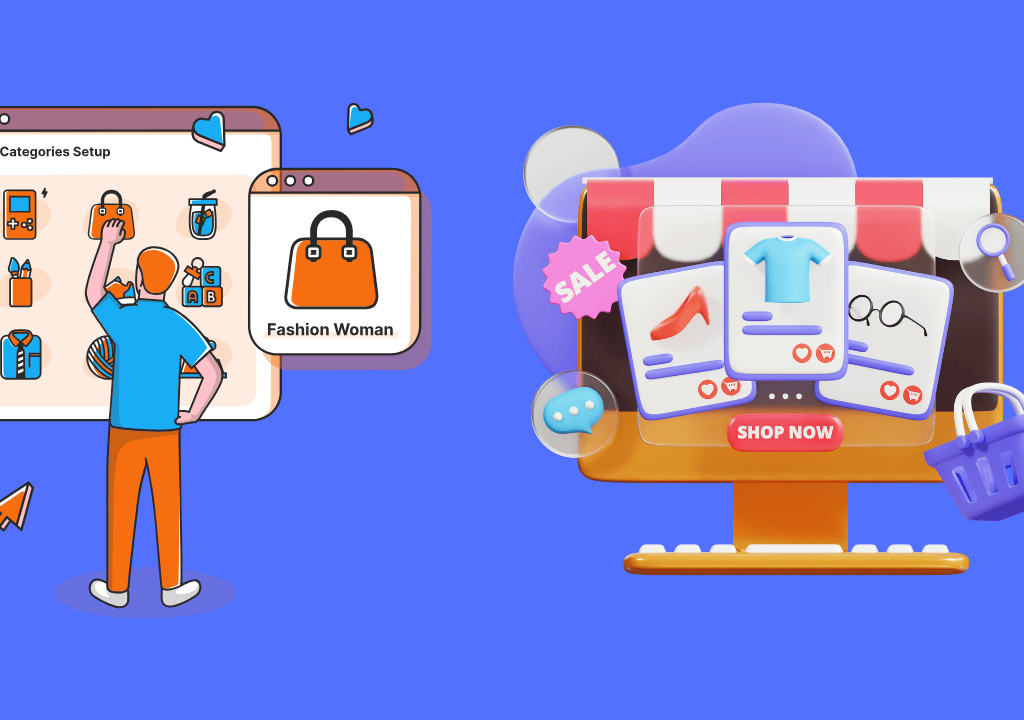
Social media platforms are becoming digital storefronts.
- Instagram, TikTok, Pinterest: These platforms have evolved into interactive shopping hubs, enabling users to browse and purchase products without leaving the app. Brands can tag products in posts, stories, and videos.
- Influencer Marketing: Partner with content creators to showcase your products in a genuine and relatable way. Micro-influencers often have higher engagement and trust.
- User-Generated Content (UGC): Encourage customers to share photos and reviews. UGC boosts credibility and encourages purchase decisions.
SEO Tip: Use relevant hashtags, optimize social profiles, and include keywords in captions and product descriptions.
5. Immersive Experiences and Digital Marketing Trends with AR, VR, and the Metaverse

Immersive technology is redefining digital interaction.
- Augmented Reality (AR): Try-on features for fashion, furniture previews, and interactive packaging.
- Virtual Reality (VR): Virtual reality showrooms and immersive brand interactions captivate users and boost engagement levels.
- Metaverse Marketing: Although still evolving, brands are experimenting with virtual events, branded environments, and digital goods.
SEO Tip: Optimize content for 3D experiences and include AR/VR metadata where applicable.
6. Video Marketing and Short-Form Content Dominance
Video continues to dominate the digital landscape.
- Short-Form Video: Apps such as TikTok, YouTube Shorts, and Instagram Reels are fueling unparalleled audience interaction.
- Live Streaming: Real-time interaction boosts trust and allows instant feedback.
- AI Video Tools: Generate scripts, captions, and even voiceovers with AI, streamlining production.
SEO Tip: Use relevant keywords in video titles, descriptions, and tags. Publish videos directly on your website to boost visitor engagement and increase traffic.
7. Evolution of Search Engines and SEO
Search is expanding beyond Google.
- Alternative Platforms: TikTok, Reddit, and even ChatGPT are becoming discovery tools. Optimize for each platform’s unique algorithms.
- Conversational SEO: Write content that answers questions in a natural, dialogue-style format.
- E-E-A-T: Google emphasizes Experience, Expertise, Authoritativeness, and Trustworthiness. Showcase credentials and cite reputable sources.
SEO Tip: Focus on high-quality, authoritative content and diversify your keyword strategy to align with current digital marketing trends.
8. Hyper-Personalization and Real-Time Marketing
Customers expect brands to anticipate their needs.
- Behavioral Targeting: Deliver messages based on real-time user actions.
- Personalized Email and SMS: Use dynamic fields and segmentation to send relevant messages.
- Adaptive Web Content: Websites that change based on user behavior improve engagement and conversions.
SEO Tip: Leverage analytics to identify content that resonates and optimize accordingly.
9. Purpose-Driven and Sustainable Branding
Consumers align with brands that reflect their values.
- Sustainability Messaging: Highlight eco-friendly practices and products.
- Social Impact Campaigns: Support causes and show tangible results.
- Authenticity: Be transparent about your mission and values.
SEO Tip: Integrate terms that reflect sustainability, ethical practices, and core values seamlessly into your content.
10. Automation and No-Code Martech Tools
Efficiency is key in 2025.
- No-Code Platforms: Tools like Zapier, HubSpot, and Webflow simplify marketing workflows.
- Marketing Automation: Automate email sequences, lead nurturing, and social media posting.
- Integrated Martech Stacks: Use connected tools to unify customer data and streamline operations.
SEO Tip: Use automation to maintain consistent content publishing schedules and monitor performance.
Conclusion
Digital marketing trends in 2025 are defined by innovation, personalization, and ethical responsibility. By embracing emerging technologies, focusing on the customer experience, and adapting to regulatory changes, marketers can stay ahead of the curve. The key to success lies in being agile, data-driven, and purpose-led. Stay informed, test new strategies, and continue learning to thrive in this dynamic landscape.
Whether you’re a seasoned marketer or just starting out, these digital marketing trends offer a roadmap for navigating the future of digital marketing. Start integrating them into your strategy today to build stronger connections, drive better results, and ensure long-term success.
